Ready to Build Your Lethal Forces In Financial Markets?
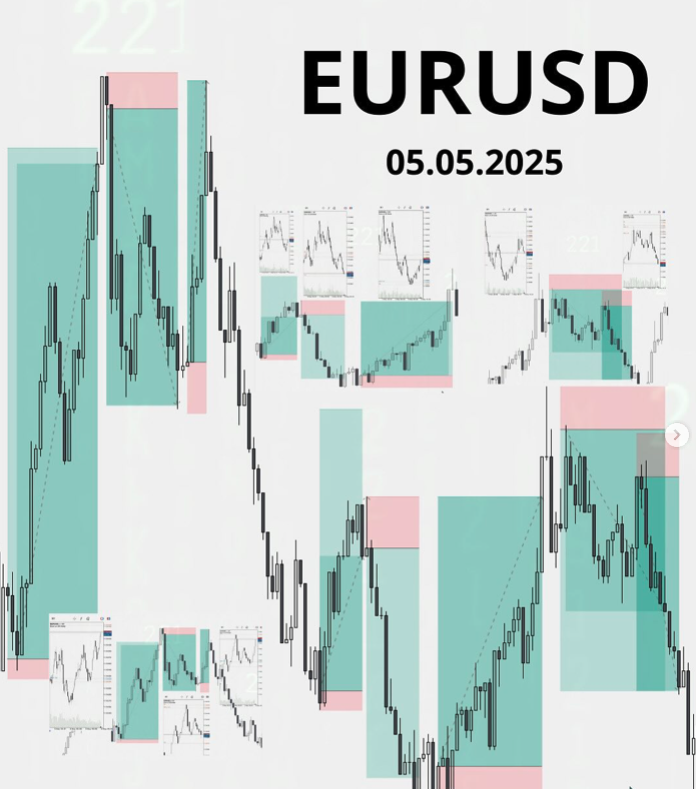
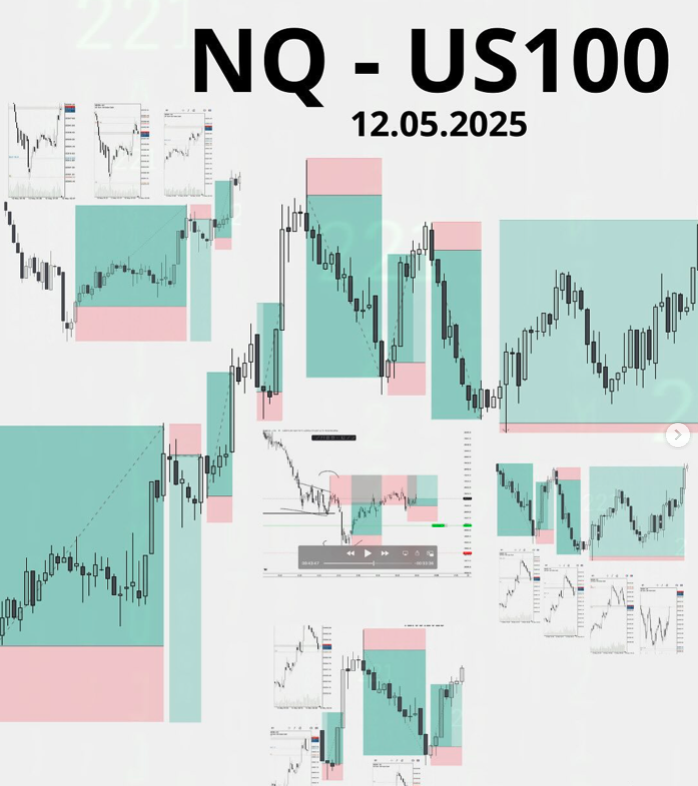
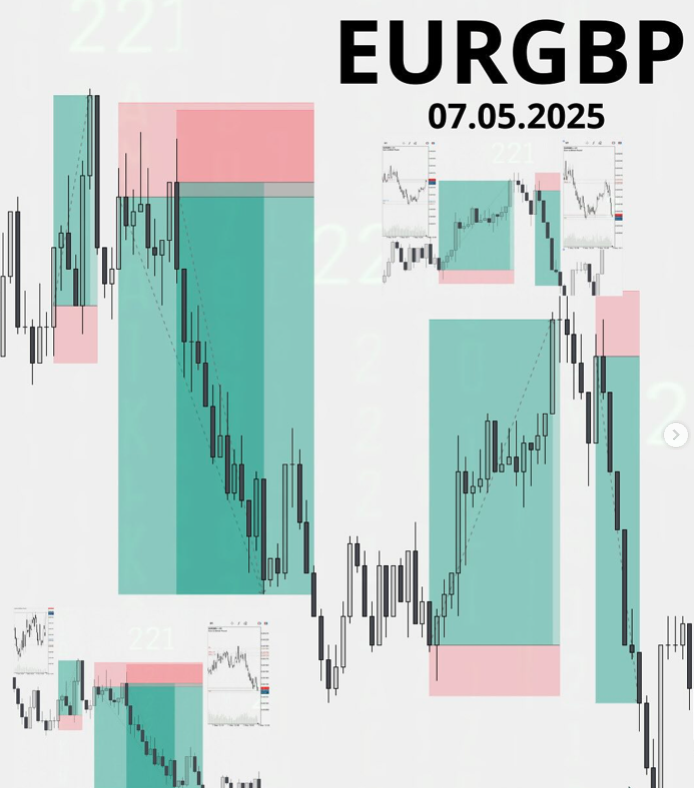
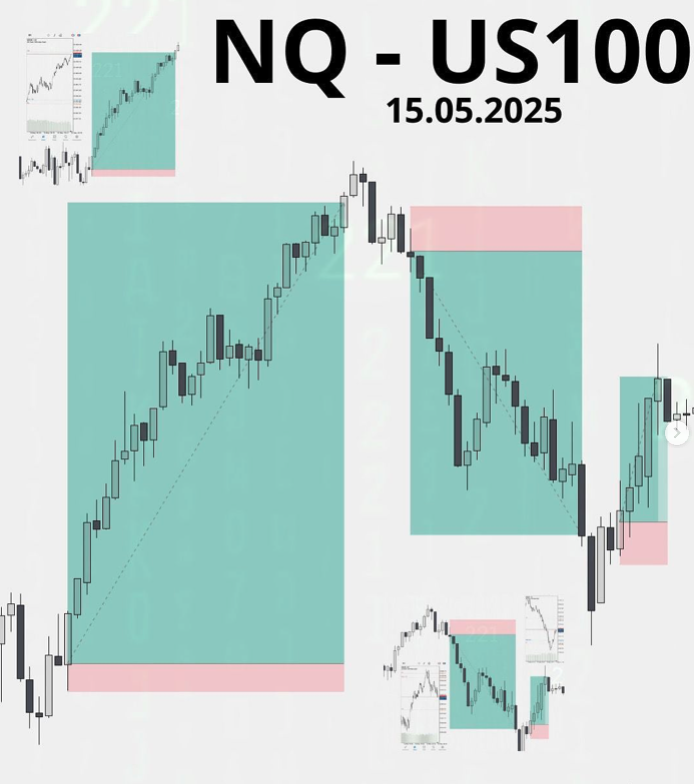
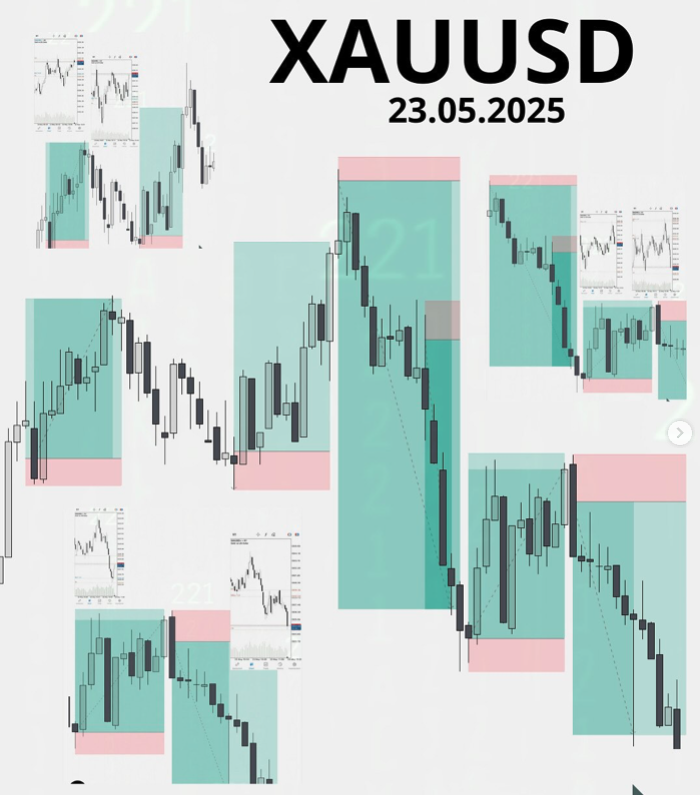
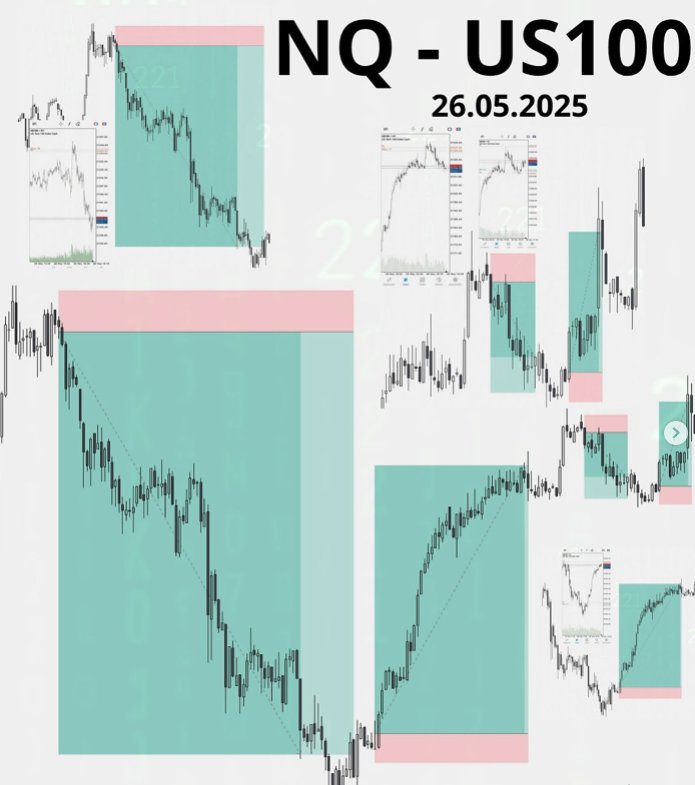
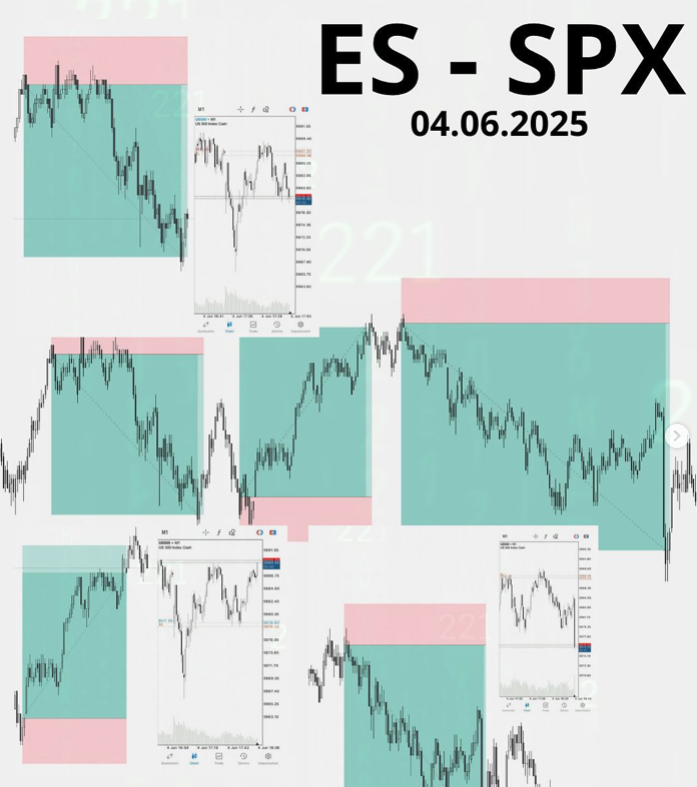
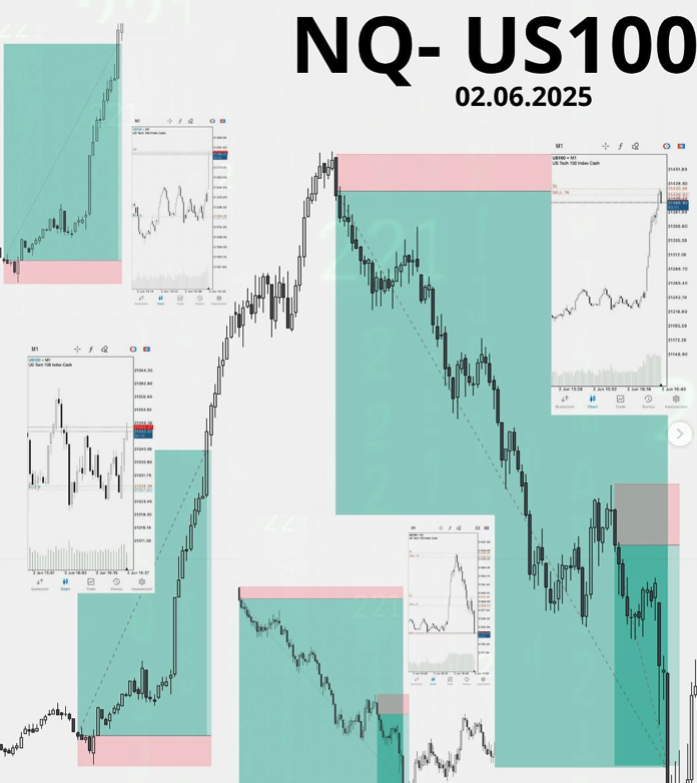
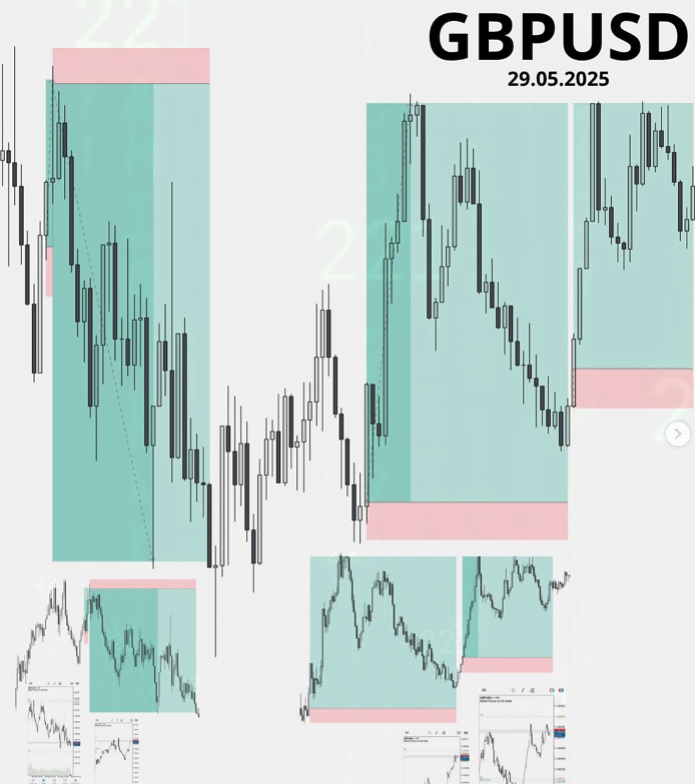
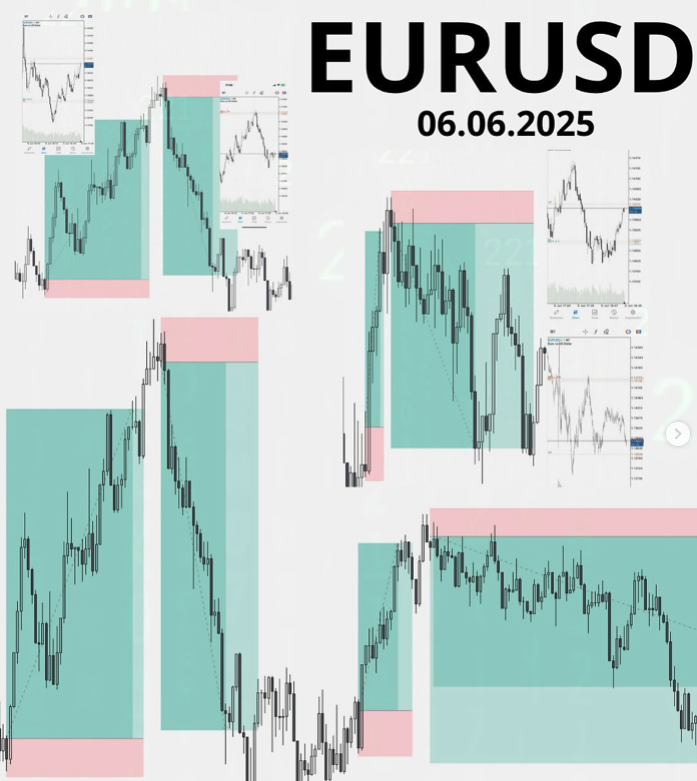
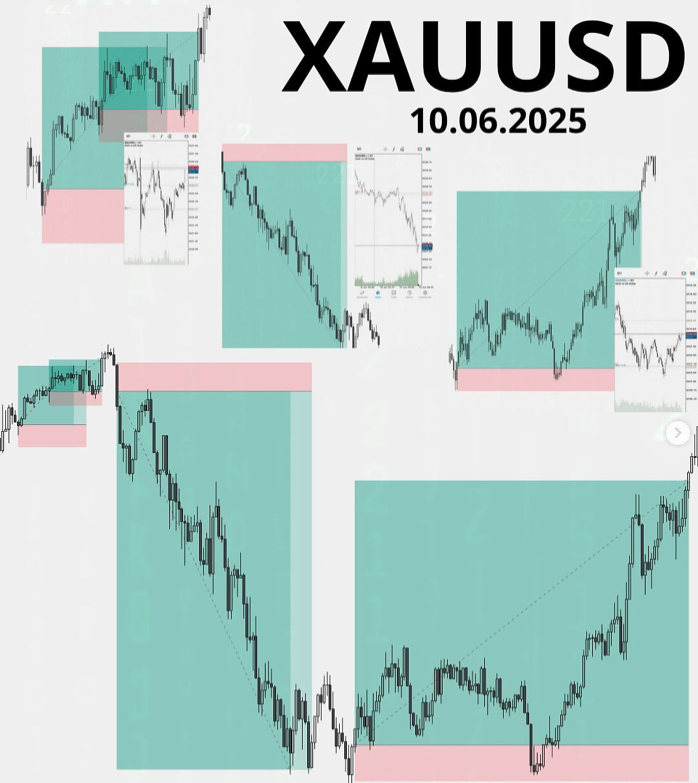
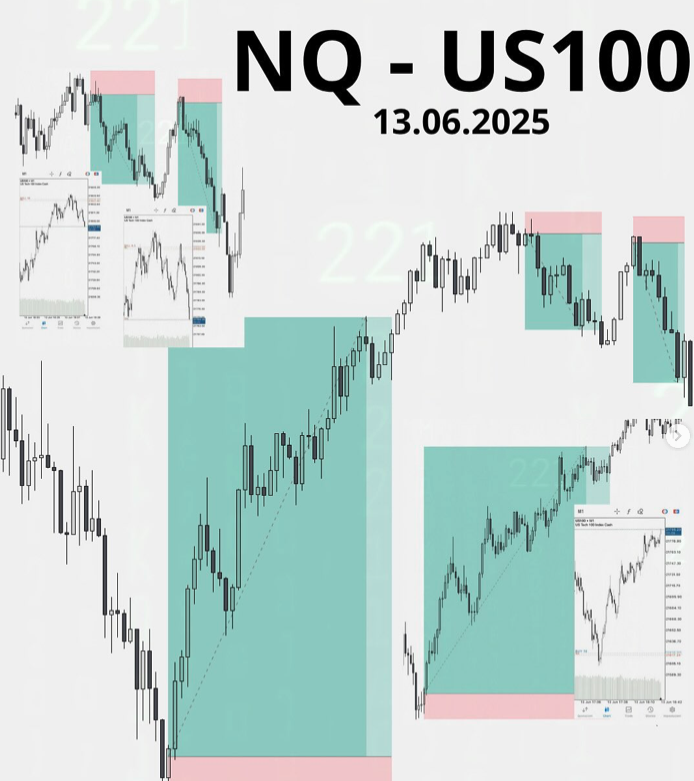
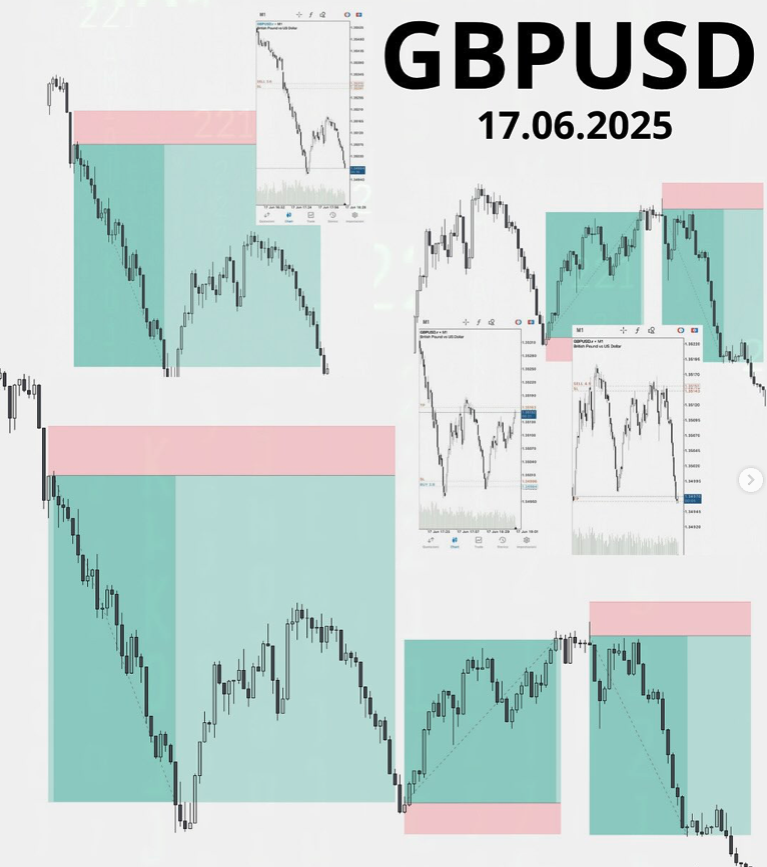
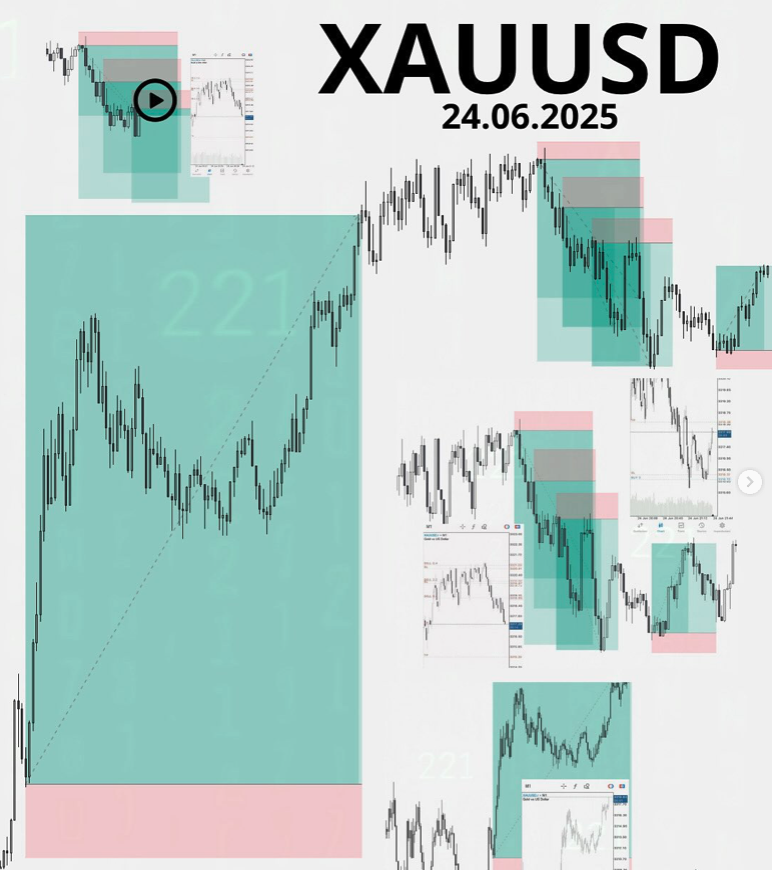
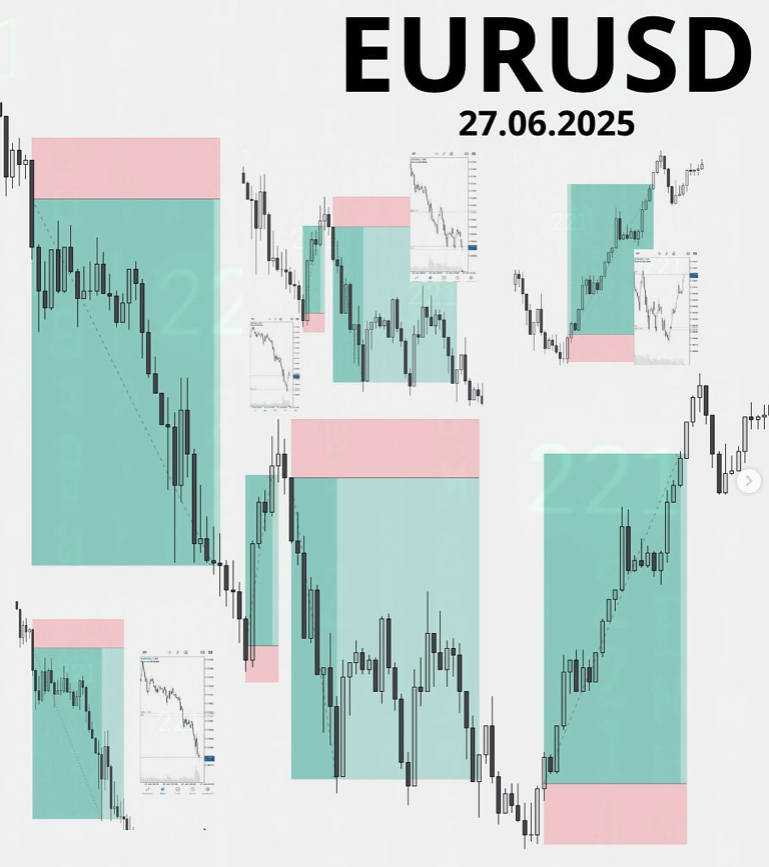
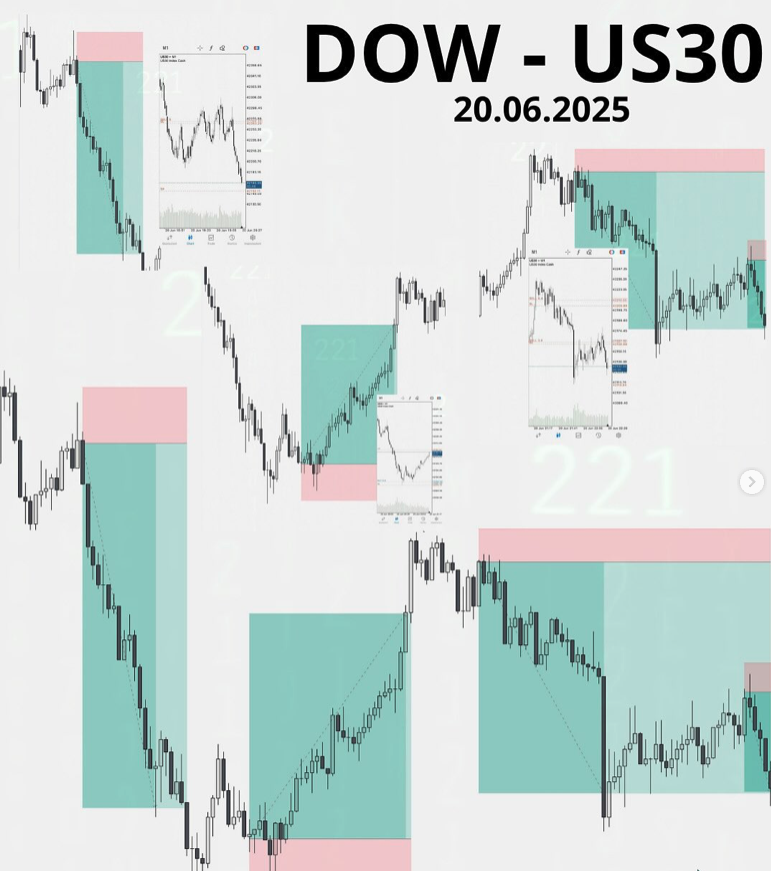
Shown here are just a few days from the month when the site was created… but the real question is:
Is it possible for everyone to achieve results like this and, most importantly, to do it every single day?
The answer is: of course. But it’s not that simple. What you’re seeing is not the result of a secret concept or hidden reasoning. What you’re seeing is not the result of a secret concept or hidden reasoning. It’s not about magic formulas, lucky days, or perfect timing. It’s about a deep understanding of why price moves within the daily range. It’s about advanced situational analysis. Clarity. Precision. Disciplined execution. It requires exercise for the eyes and mind.
It’s about structured risk management, perfectly aligned with the trading style being applied. And above all, it’s about an uncommon mindset.
If you’re serious about reaching a trading standard like this, you need to understand one thing: it requires a step by step process.
A controlled path.
Clear steps.
Executed in the right order.

Next, I’ll walk you through the first four phases to approach the 221 Kit. Think of it as your first step toward greatness
Step 1
Learn the basics of trading, how to use TradingView, understanding how candlesticks work, etc..
Learn to Use TradingView
TradingView is one of the most powerful charting platforms available. Mastering it allows you to analyze the markets with precision, identify high-probability setups, and execute your intraday strategy with clarity and confidence.
What Are Candlestick Charts?
Candlestick charts are a visual representation of price movement within a specific time period. Each candle shows four key pieces of information: the opening price, closing price, highest price, and lowest price. By learning how to read them, you can understand market sentiment, identify momentum shifts, and interpret buyer and seller behavior with clarity.
What Should You Focus on Your Chart?
No moving averages, no zones, no lines, no indicators, no Fibonacci, no complex schematics.
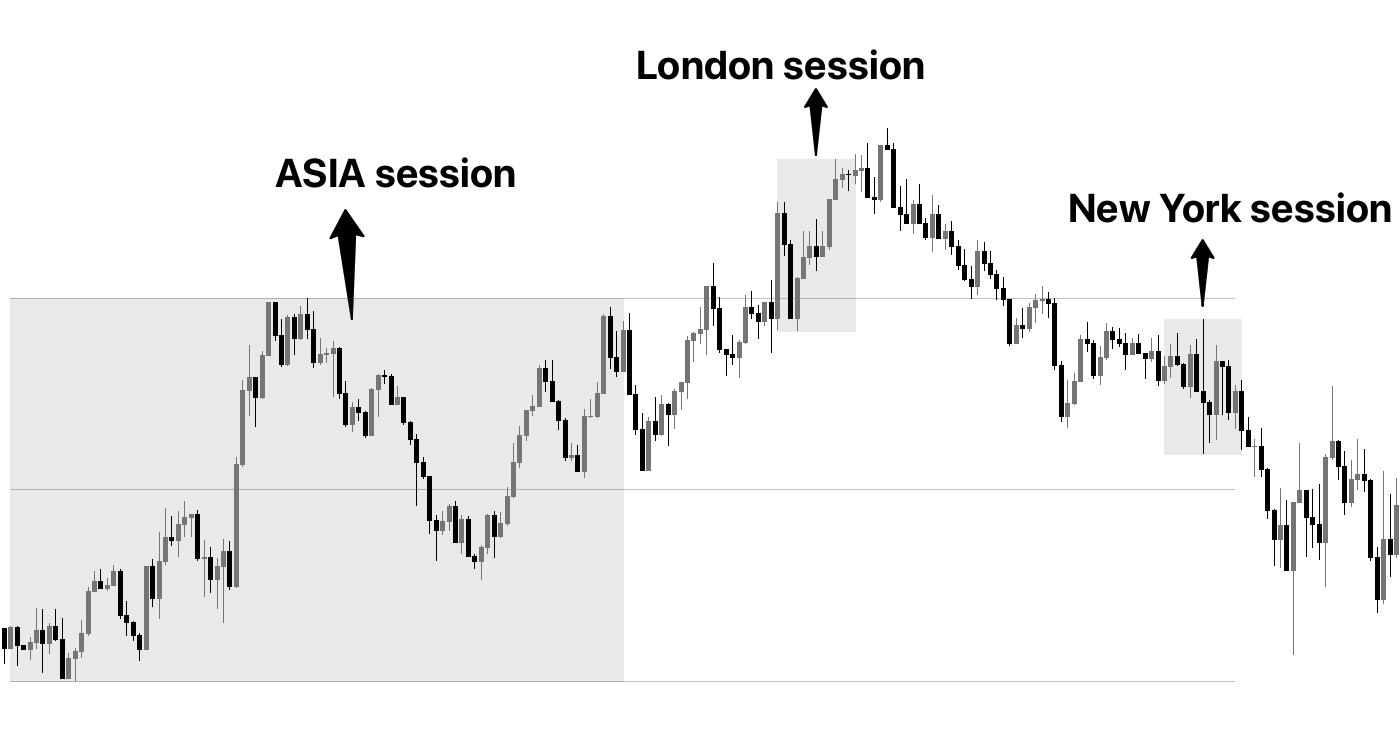
Just clarity. Focus on market timing and the rhythm of trading sessions:
–
Asia Session: 00:00–07:00 (UTC+1)
Frankfurt Session: 08:00 (UTC+1)
London Open: 09:00–10:00 (UTC+1)
Jolly Time: 10:30–12:30 (UTC+1)
New York O/T : 14:00–15:00 (UTC+1)
London Close: 17:00 (UTC+1)
–
Simple clarity. Real market timing.
Understand What Really Moves the Market
Many traders believe price moves because of the lines or rectangles they draw on their charts. That belief creates confusion, because they never truly understand why price moves the way it does.
Price does not move randomly.
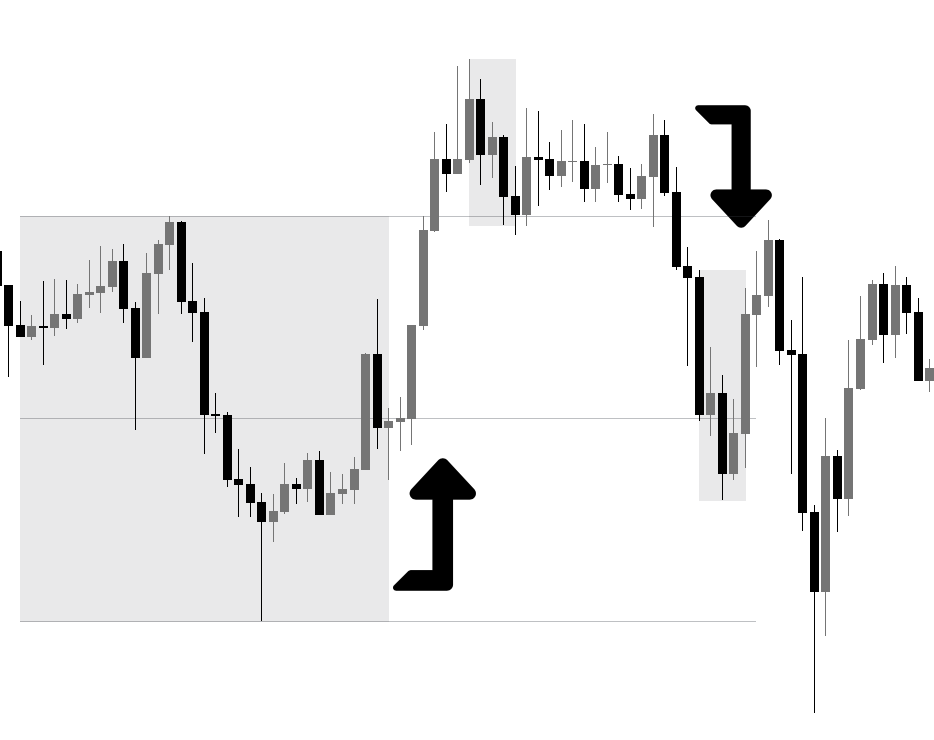
Price seeks liquidity.
Large participants need substantial liquidity to enter and exit positions. That liquidity is not magically available it must be created. The market generates reasons for traders to buy or sell, attracting momentum traders, triggering FOMO entries, and at the same time liquidating the stop losses of traders positioned on the opposite side.
This process is not accidental. It is structured.
To trade effectively, you must understand what motivates traders to open positions and commit capital. Once you recognize how liquidity is formed, induced, and targeted, price action stops feeling chaotic and starts making sense.
Step 2
Unlearn, Relearn and Improve
Forget Everything You’ve Been Taught About Trading.
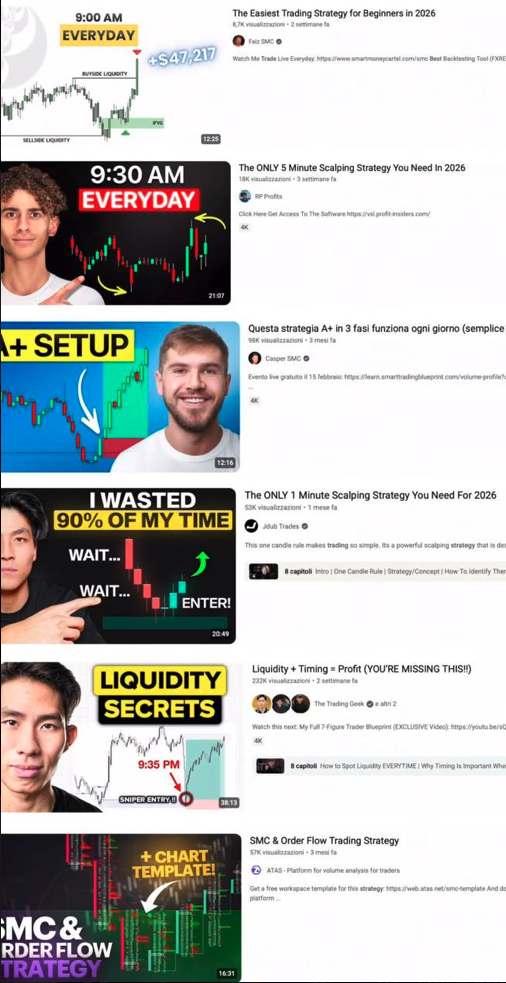
Most traders begin their journey consuming information from everywhere. Different YouTube channels, conflicting strategies, endless opinions. They mix multiple mentors, combine incompatible methods, and end up confused instead of consistent.
Clarity comes when you stop collecting noise and start following one structured, coherent approach.
rading today hasn’t just become more accessible. it has become a social narrative shaped by perception, identity, and psychological influence.
Many self-proclaimed experts build authority through selective profit screenshots, targeted storytelling, luxury lifestyle projection, and closed communities designed to reinforce belief.
Alternative methods are often discredited not through objective analysis, but as a positioning strategy. The goal is rarely clarity it’s persuasion.
The result is a cycle where credibility is manufactured, doubt is redirected, and participation is sustained. Understanding this isn’t cynicism it’s awareness.
Because today in trading, psychology and perception often move faster than price itself.
There’s a strong chance that much of what you’ve learned comes from social media “gurus,” random podcasts, or fragmented online content.
This often leads to confusion, inconsistent habits, and a distorted view of how markets actually work.
Early in the process, you’ll gain clarity on real market dynamics, understand why progress may have stalled, and finally recognize what has been holding your trading back.
Reset What You Think You Know About Trading
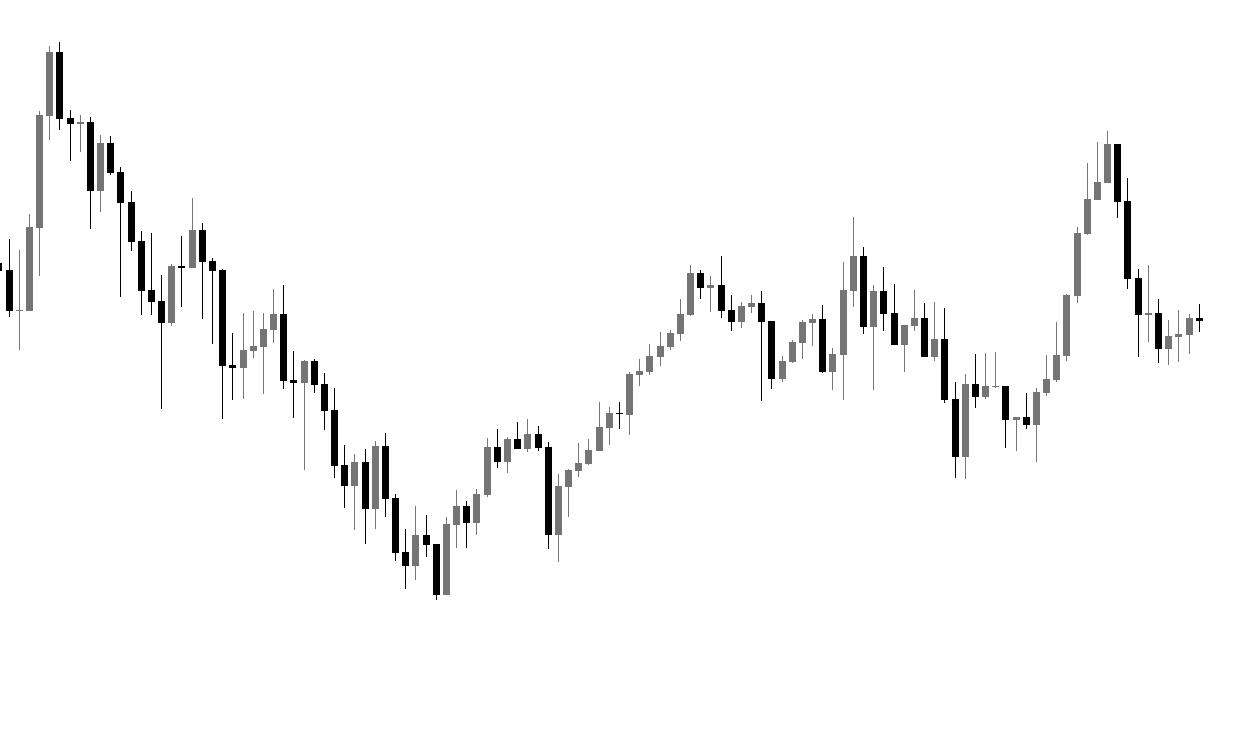
Clear your mind (and your chart). Focus on real-time data, not assumptions. Markets reward clarity, discipline, and presence, not predictions built on imaginary constructs or lagging indicators.
By observing price as it unfolds, you reduce noise, eliminate unnecessary complexity, and make decisions based on what is actually happening not what you hope might happen. Keep it clean, stay objective, and let the market speak before you react.
Step 3
Master the Core Principles of Intraday Trading
Distinguish two market perspectives. Two sides of the same price:
Price Action (Candlestick Chart)
Volume (Data Chart)
They simply complement each other:
Price Action (Deduction) → Volume (Confirmation of the Deduction)
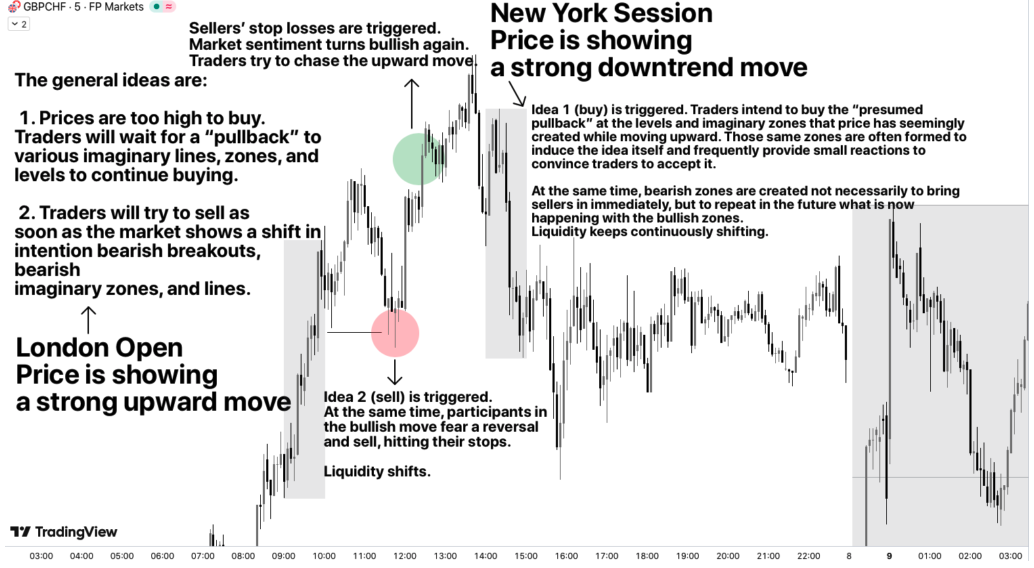
Use Price Action to Interpret and Structure Your Trading Scenario
SMTs, FFS, induction patterns, IFC, and many other terms are now widely used among retail traders online. However, they are often interpreted differently, which tends to create confusion rather than clarity in market analysis.
For this reason, 221 does not aim to adopt this terminology nor to rebrand it. Instead, the 221 analytical framework focuses on a complete cognitive understanding of market behavior, going beyond labels and terminology to provide clear, structured market insight.
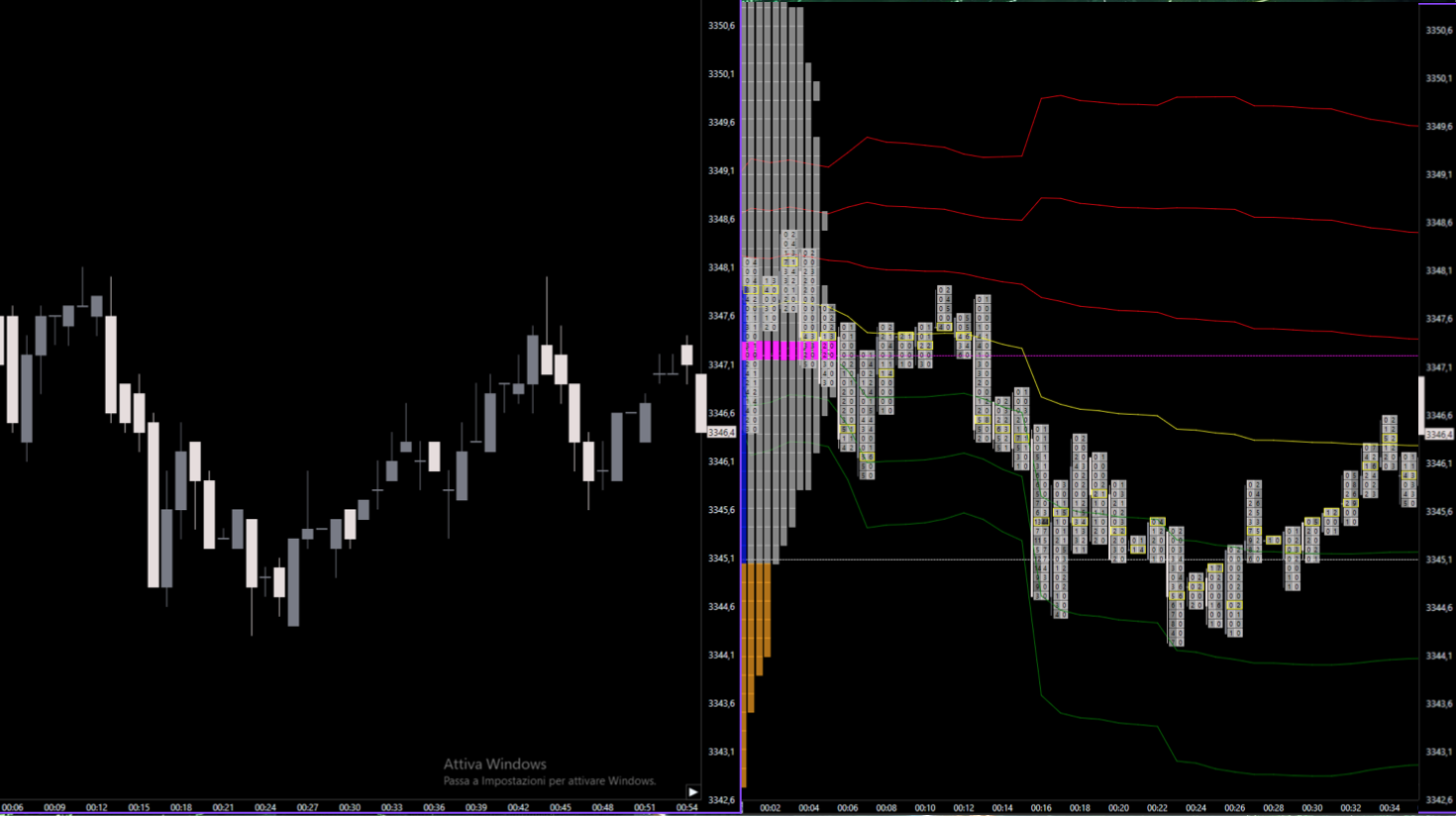
Use Volume Analysis to Confirm Your Market Interpretation
Footprint charts, TPO, absorption, exhaustion, types of auction, imbalances, trapped traders, and many other concepts are widely discussed among retail traders online. However, these tools are often interpreted inconsistently, which can create confusion rather than true analytical clarity.
–
For this reason, 221 does not focus on terminology for its own sake nor does it attempt to rebrand existing concepts. Instead, the 221 analytical framework integrates volume analysis into a structured cognitive process, using it as confirmation within a broader situational understanding of market behavior.
Step 4
Unlock your true mental power in the markets
Exercise your eyes and your mind.
Modern trading platforms have made market access easier than at any other time in history. But accessibility doesn’t mean understanding and it certainly doesn’t mean control. Retail traders are often psychologically rewarded for the wrong behaviors. Small, frequent wins with poor risk-to-reward ratios (like 1:1 or 1:2) create a dopamine loop that keeps them coming back to the market. Positive emotions, adrenaline, and the illusion of progress become more addictive than actual performance. The industry often exploits emotions to keep traders engaged.
From retail strategies to unrealistic expectations, from broker incentives to curated lifestyles everything can be designed to trigger FOMO, urgency, and dependency. Even time pressure itself becomes a tool to exhaust clarity and discipline. We cannot know with certainty who coordinates the entire system. But we can observe how it functions. Markets operate through a convergence of:
• Data syndicates
(brokers, liquidity providers, exchanges)
• The best technology experts
(whatever trading strategy or approach exists, they know it and have the best people on their side)
• Behavioral psychology
(who have studied the human mind for years and know exactly what triggers actions and what excites the human mind)
These three elements are unified by a mechanized process (AI)
2
2
.1


The Architecture of Control
The chart is not random noise.
It is a structured environment designed to generate participation. Trendlines work sometimes, Support and resistance hold sometimes and Breakouts work sometimes.Not because they are universally true, but because participation must be maintained. If nothing ever worked, nobody would return. If everything worked, the system would collapse. Participation must be sustained. Liquidity must be generated. And liquidity comes from belief. So, to make you partecipate, they create zones, supports, resistances, structures, etc. For them, it’s about both control and money.
They don’t target how much money you personally have; they target general strategies (and therefore ideas)
Modern platforms have made trading accessible to everyone. Accessibility without psychological preparation creates vulnerability. The industry rewards the wrong behaviors. Small wins with poor risk-to-reward ratios (1:1, 1:2) generate dopamine cycles. Adrenaline reinforces repetition. The brain interprets stimulation as progress.
This is the loop. How They Keep You In The Matrix. Cryptocurrency markets amplify this mechanism. 24/7 access. High volatility. Narratives of exponential wealth. Minimal structural boundaries. The result: permanent emotional exposure. Statistics show that the majority of traders fail far beyond the commonly cited 90%. Not because they are unintelligent. But because they underestimate the psychological architecture surrounding them. Brokers and Prop firms profiting from failure. Educational marketing built on lifestyle projection. Time pressure. FOMO. Urgency. The objective is not your individual capital. The objective is participation. Retail traders are not targeted personally. Retail strategies are. Do we want to talk about B-Book brokers or prop firms that profit from your losses while also offering you training, often free? Metaphorically, ”The market” occasionally offers ”wins” to various participants in a subordinate way. If they didn’t, participants wouldn’t stay. They ensure liquidity creation and therefore participation only to remove them the next time they return to trade. In fact, around 80% of traders lose when they come back to trading. Moreover, past charts are shown as evidence that these same reasons worked before, convincing traders to enter the market again using the same logic
The real-life matrix isn’t technological; it’s psychological
Don’t fall into the traps of social networks
In recent years, trading has been aggressively promoted on social media as something “within everyone’s reach.”
Platforms have never been more accessible, effectively turning financial markets into a kind of digital casino.
It’s often portrayed as if consistent profits only require glancing at a few candlesticks, drawing arbitrary levels or zones, and pressing a button. But reality is very different.
At the same time, many promote their services by building an aspirational image based on lifestyle, exclusive communities, travel, luxury cars, financial freedom, and a sense of belonging. They’re not just selling trading they’re selling identity, status, and hope. The community itself becomes a powerful psychological lever, because humans often fear social exclusion more than financial loss.
For many, making money through education sales, broker or prop-firm affiliations, signal rooms, commissions, and similar channels is much easier and often far more profitable than trading itself. After years of struggling in the markets, some shift from trading to selling the idea of trading, targeting those who are newer, more hopeful, or less experienced.
The result? Wasted time, wasted capital, and drained mental energy often spent chasing concepts that only “worked” in hindsight.
Remember: even a broken clock is right twice a day.
2
2
1

1

You do not defeat the system by fighting it emotionally
You defeat it by understanding it structurally.
Know the enemy.
Know yourself.
Then fear disappears.
This is not a video game.
It is not about prestige, ranking, or proving intelligence.
It is about:
• Understanding why you press the button.
• Understanding who benefits when you do.
• Removing emotion from execution.
• Converting awareness into controlled action.
True knowledge is not information.
It is awareness transformed into discipline….
Step 5
Become an Independent DayTrader Master
221 Complete Kit
The goal of the 221 Trading Kit is to provide you with everything you need to master intraday trading across forex, indices, commodities, crypto, and more. No endless theory, no unnecessary complexity just practical knowledge applied directly in live market conditions for maximum clarity and efficiency. Before analyzing charts, you must understand what stands behind them. Markets do not move randomly. They move where liquidity exists. They move where attention is concentrated. They move where emotions are vulnerable. Time is the ultimate variable of control.
Institutions can operate 24 hours a day with algorithms and automation. You cannot. They can delay expansions, pause volatility, shift sessions, and exhaust attention. You can follow the market for a limited number of hours before fatigue affects your clarity.
The way out is not more signals, more indicators, or more noise.
It’s deeper awareness: understanding the real psychological drivers behind your actions, gaining true knowledge, and transforming that awareness into deliberate, controlled execution.
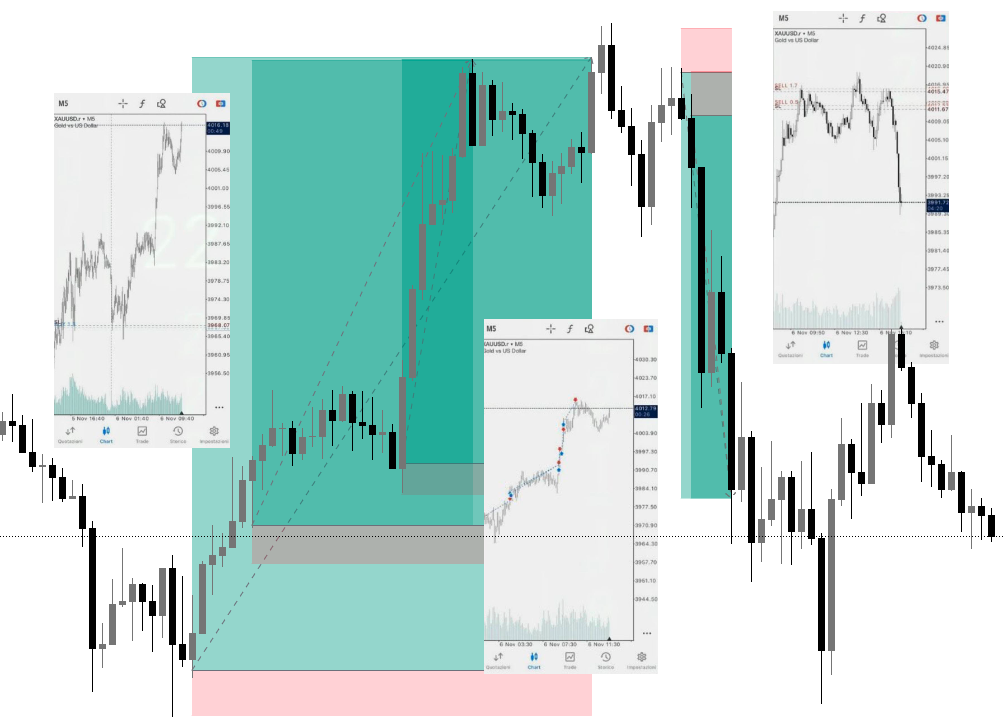
Change the flow of the industry
So close to the magic
The 221 Kit is perfect for you when:
- ✓ You already have basic trading knowledge
- ✓ You already tried many different things but nothing seems to work
- ✓ You feel you are missing key pieces of knowledge
- ✓ You know there has to be more than retail strategies and Smart Money Concepts
- ✓ You want to change the way you look at charts forever
- ✓ You want a proper foundation to build your future trading career
- ✓ You want industry-leading trading tools and clear guidance
Frequently asked questions
Rather than operating as a traditional academy or signal service, it provides curated market insights, technical frameworks, and psychological perspectives designed to support individual growth and independent decision-making.
This allows flexibility, global accessibility, and a focused approach to market education without geographic limitations.
From time to time, unauthorized accounts may attempt to impersonate 221 or its founders. These are not affiliated with us and often promote misleading or unofficial offers.
We recommend interacting only with our official profiles. If you encounter suspicious accounts claiming to represent 221 Circle, please block and report them to help protect the community.
All official materials and support are provided exclusively in these two languages. Additional languages may be considered in the future as the project expands.
All official educational communication takes place exclusively through our official channels. This ensures transparency, consistency, and equal access to information for all members.
Like most traders in their early stages, exposure to public educational material is part of the learning process. However, all methodologies and technical frameworks shared within 221 Circle have been developed independently, based on the founder’s direct market experience and hands-on work.
Our approach reflects internal development and personal observation, not external affiliations.
Access is granted through a membership model, where the founder shares daily market insights along with logical, technical, and psychological metrics related to trading.
The objective is not mass education, but focused, disciplined engagement with the markets.
It is intended for those willing to approach the markets with discipline, patience, and personal responsibility. The focus is on structured observation, psychological awareness, and consistent execution not speculation or unrealistic expectations.
Over time, it has evolved into a more structured project focused on education, performance development, and disciplined market engagement.
From time to time, our official channels may share daily market setups or early-stage observations. These are not calls to action or investment prompts, but educational examples designed to illustrate how price movements can be observed and interpreted through the concepts we teach.
Our focus is education, not signal dependency. All trading decisions remain entirely personal and individual.
Any other accounts claiming to represent 221 Circle are not affiliated with us.
Once access is confirmed, members receive instructions to connect to the official channels where educational content, insights, and updates are shared.
The material is designed to support both developing traders and more experienced participants, with emphasis on clarity, structured observation, and disciplined execution rather than shortcuts or signal dependency.
What began as a small private group has gradually evolved into a more structured educational project. The community continues to grow and develop, maintaining its focus on clarity, discipline, and market understanding.
Except for any official partners (listed in the “Partners” section of the website).
For this reason, 221 Circle chooses to keep account performance and earnings private. The focus remains on education, structured market observation, and individual development rather than public performance display.
All publicly shared material refers exclusively to educational or hypothetical market scenarios.
Our work is strictly educational, and all trading decisions remain the sole responsibility of each individual trader.
Disclaimer: 221 Circle is an educational initiative and private trading-focused circle. We do not offer business opportunities, “get rich quick” schemes, or any system intended to generate guaranteed income.
Our objective is to provide educational material that may help individuals develop awareness and understanding when approaching financial markets. However, we make no guarantees of success and do not claim that participation in our training will result in financial gains. We do not present earnings claims, performance promises, or statements suggesting that our content will produce income.
All content provided is considered intellectual property and is protected under copyright laws. Unauthorized copying, redistribution, reproduction, or commercial use of any materials is strictly prohibited. For full legal information, please refer to our Terms and Conditions.
Any testimonials, statements, examples, or representations reflect individual opinions, personal experiences, or subjective findings from participants who have purchased training. Such outcomes are not typical, may vary significantly, and depend on personal effort, time commitment, skill level, external conditions, and additional factors beyond our control.
We do not track or evaluate financial performance or trading profitability. Where feedback is collected, it relates only to completed service transactions and voluntary satisfaction surveys, not financial results.
Trading — particularly day trading — involves substantial risk, and a significant number of traders incur losses. You should fully understand the risks before engaging in any trading activity:
https://www.investor.gov/additional-resources/spotlight/directors-take/thinking-day-trading-know-risks
Contact email: support@221circle.com